Pest Control Services for New Construction and Renovation Projects
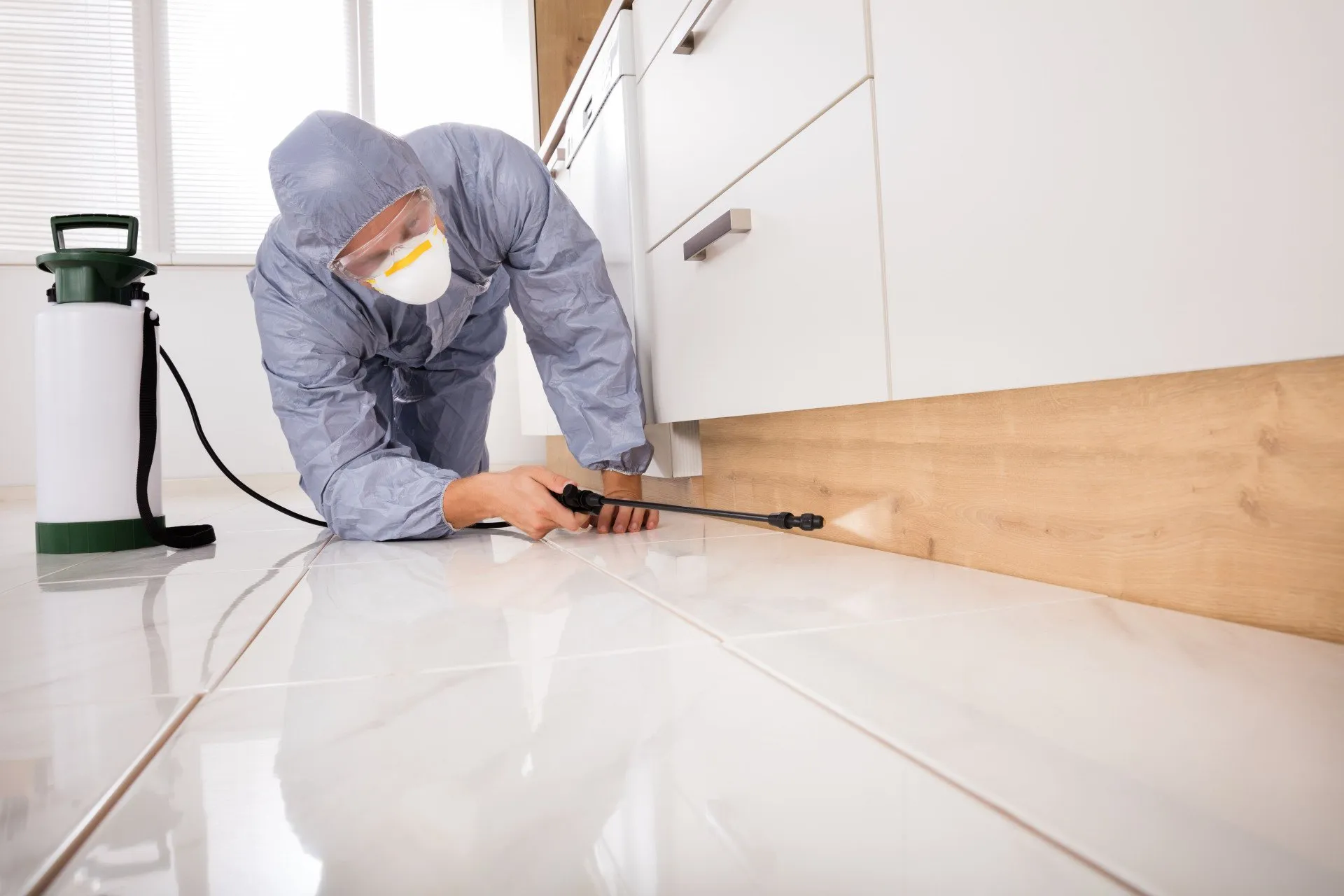
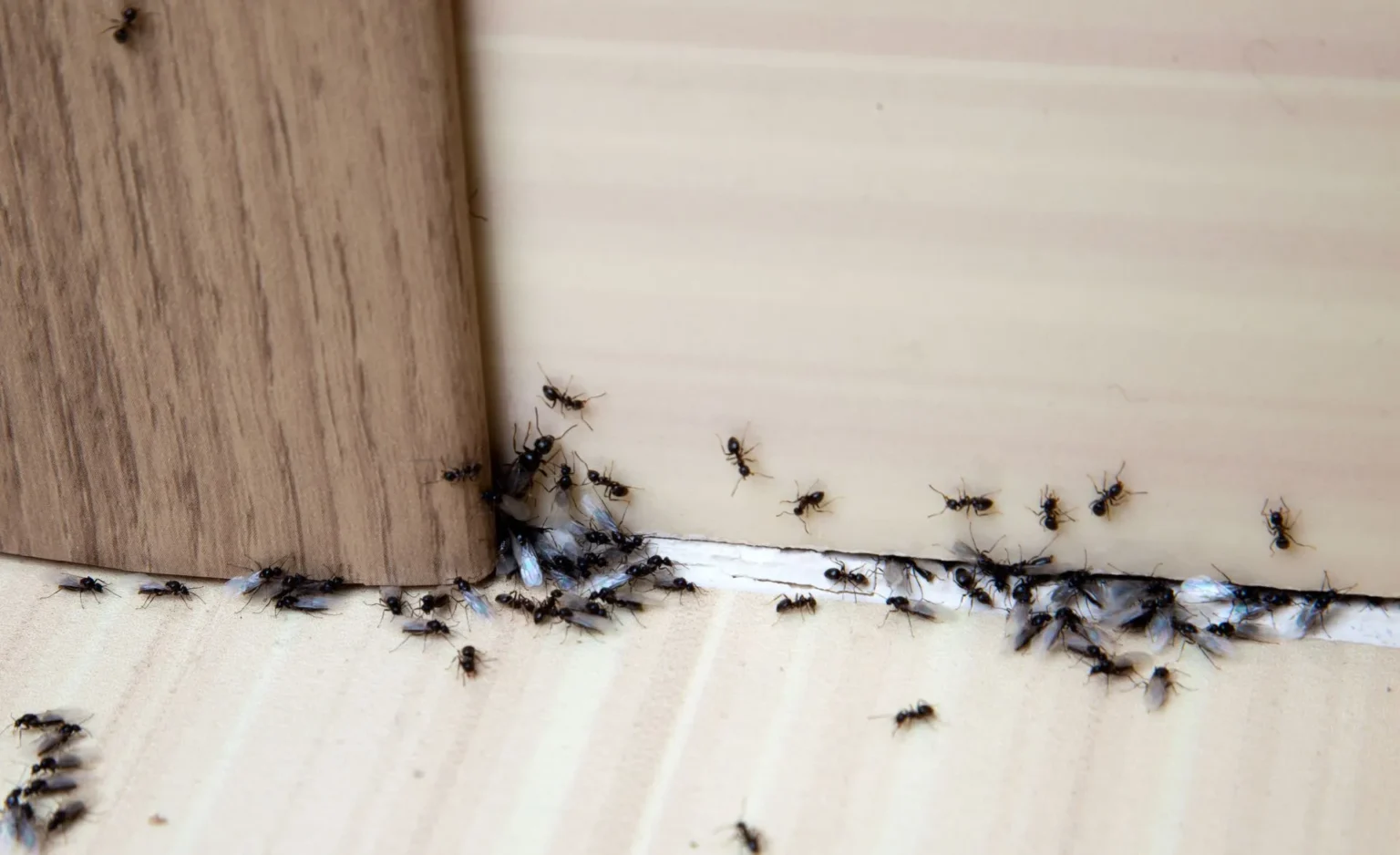
New construction and renovation work create a narrow window when pest prevention is easier, cheaper, and far more effective than trying to solve an infestation after occupancy. That window is often missed. Schedules tighten, subcontractors overlap, and everyone is focused on structural progress, finishes, inspections, and turnover dates. Pest control is treated as a late-stage add-on, when in practice it belongs much earlier in the planning sequence.
On active job sites, insects and rodents do not wait for the final clean. Disturbed soil can drive termites into new pathways. Open framing gives rodents shelter before insulation and drywall close the walls. Standing water around curing concrete or temporary drainage failures can support mosquitoes. Stored materials, especially cellulose products and packaging, attract pests long before a tenant or homeowner moves in. Renovation sites carry their own risks, particularly when old wall voids, neglected crawl spaces, roof leaks, or hidden structural damage are exposed.
Pest Control Services for these projects are not just about spraying a perimeter and moving on. The work is more technical than that. It involves reading the building assembly, understanding site conditions, coordinating with the general contractor, and choosing methods that fit the phase of construction. A good provider thinks in layers: soil treatment where appropriate, exclusion details at entry points, moisture management, sanitation controls, and a practical monitoring plan after handover.
Why construction activity invites pest pressure
Every building project changes the local environment. Even a modest remodel can open routes that pests have used for years without anyone noticing. Pull off old siding and you may reveal carpenter ant galleries behind a rim board. Replace kitchen cabinets and suddenly there is evidence of German cockroaches nesting around warm appliance voids. Excavate for a slab addition and you can disrupt termite activity in the surrounding soil.
Large developments amplify those effects. On a multi-lot subdivision, crews leave gaps between construction phases. One lot may be framed, the next excavated, and the next still rough graded. That staggered progress creates food, water, and shelter in rotating patterns. Rodents move from brush piles to stacked lumber. Flying insects gather at temporary lighting. If dumpsters overflow or scrap accumulates, the site becomes even more attractive.
Renovation adds another layer of uncertainty because older buildings already have a history. Sometimes that history is visible, such as old mud tubes on foundation walls or beetle exit holes in trim. Often it is hidden inside enclosed cavities. I have seen projects where a simple bathroom renovation uncovered active roach harborage behind tile backer, or an attic conversion revealed long-term rat travel paths along HVAC runs. Once those pathways are opened, pests can disperse into new areas unless the work is managed carefully.
The difference between treatment and prevention
Clients often use the phrase pest control to mean a one-time response. In construction, that mindset misses the point. Prevention is the priority. If the design and build process leaves easy access points, chronic moisture, and food sources, treatment becomes a recurring expense instead of a one-time protective step.
Prevention starts with asking the right questions before materials arrive. Is the building on slab or crawl space? What is the termite risk in the region? Will exterior cladding include complex transitions at brick ledges, weep screeds, or utility penetrations? Are there landscape plans that place dense vegetation too close to the foundation? Does the renovation involve opening older wall systems where pests may already be established? These questions shape the service plan.
A thoughtful provider also knows when not to overpromise. No company can credibly claim a structure will never see a pest again. What can be done is to reduce the probability of infestation, narrow the likely entry routes, and make future inspections easier. That is a practical standard, and it is the one that holds up over time.
New construction: the best time to build resistance into the structure
The pre-drywall phase is one of the most valuable moments in the entire project. Framing is exposed. Penetrations are visible. Foundation transitions are accessible. If you want to install exclusion details properly, this is when they can be https://telegra.ph/Pest-Control-Services-for-Mice-and-Rats-Before-They-Multiply-09-10 inspected without destructive work later.
Termite prevention is usually the first issue people think about, and for good reason. In many markets, especially warm and humid regions, subterranean termites are a major structural risk. Depending on local regulations, soil type, and building design, protection may involve a pre-construction soil treatment, physical barriers, bait systems, or a combination. The key is timing and continuity. A missed section under a porch slab or around plumbing penetrations can become the weak point that matters five years later.
Rodent exclusion is often undervalued on new builds because the structure looks clean and tight. It rarely stays that way if small gaps are ignored. A mouse can exploit surprisingly narrow openings, and roof rats take advantage of utility lines, attic vents, and poorly screened gable features. Once insulation and drywall go in, the cost of correcting those misses rises quickly.
Moisture control also belongs in the pest conversation. Many pest problems are really water problems wearing a different label. Drainage errors, poorly sloped hardscape, leaking hose bibs, and unsealed condensate penetrations create ideal conditions for ants, roaches, and wood-destroying organisms. On more than one project, the root cause of repeated interior ant complaints turned out to be a chronic moisture pocket near a foundation joint, not a failure of chemical treatment.
Renovation projects have different risks, and they require different tactics
Renovation work tends to be less predictable than new construction. With an older structure, you are dealing with layers of decisions made over decades. That means patched utility entries, abandoned lines, hidden voids, and materials that have already been exposed to moisture or pests.
A full gut renovation may give a pest professional excellent visibility into the building shell, but partial renovations are trickier. If only one area is opened, pests displaced from that zone often migrate into adjacent spaces. Roaches move along plumbing chases. Rodents retreat to untouched ceiling voids. Carpenter ants relocate to damp framing beyond the demo area. The service plan has to account for that movement, not just the square footage under active construction.
Historic properties deserve special mention. They often include complex trim details, layered foundations, and venting conditions that do not match modern assemblies. The wrong exclusion material can trap moisture or conflict with preservation requirements. In those projects, the best Pest Control Services come from teams that can work collaboratively with the architect, preservation consultant, and GC rather than pushing a generic scope.
Common triggers that should prompt early pest involvement
- Discovery of damaged wood, mud tubes, frass, droppings, or live activity during demolition
- Planned slab work, foundation repair, or major excavation near the structure
- Repeated moisture intrusion, especially around kitchens, baths, basements, or crawl spaces
- Conversion of attics, garages, or additions where older gaps and voids will be enclosed
- Buildings that have sat vacant for months before renovation begins
These triggers matter because they change the order of operations. If active issues are present, it is risky to wait until finishes are underway. Early assessment lets the team decide whether treatment, sanitation, selective removal, or exclusion should happen first.
Coordination with builders is where good plans either work or fall apart
A pest control scope can look solid on paper and still fail in the field if it is not coordinated with trades. This is especially true on fast-moving sites where multiple crews may alter the same area within days. If a soil treatment is performed and then the trench is disturbed, the protection may be compromised. If exclusion mesh is installed at a penetration and a later trade removes it to run cable, the detail is lost unless someone checks the work.
The most effective job sites treat pest prevention as a coordination item, not a side task. The superintendent knows when the pest contractor is scheduled. The plumber understands which penetrations must be sealed after final routing. The landscaper is told to keep mulch depth and plant spacing off the foundation. These are simple moves, but they require ownership.
I have seen two nearly identical townhome projects produce very different outcomes based on coordination alone. On one, the builder included pest walk-throughs at key milestones and kept a punch list for exclusion details. On the other, the provider was called after siding, insulation, and drywall were already installed. The second project ended up with call-backs for wasp nesting in wall vents, mice entering at service gaps, and ant activity tied to grading that trapped water near the slab edge. The cost difference over the first two years was not subtle.
What proper site inspections actually look for
A true construction-phase inspection is broader than a standard residential service visit. The goal is not merely to identify live pests. It is to evaluate the conditions that allow pests to establish themselves.
The exterior review should include grading, drainage paths, foundation exposure, control joints, slab edges, expansion gaps, utility penetrations, door thresholds, and vent screening. In wooded or disturbed sites, the inspector should also note stumps, buried wood debris, and dense vegetation near planned structures. Those details are easy to overlook during earthwork and hard to correct after landscaping is complete.
Inside the structure, framing transitions, pipe chases, attic bypasses, tub traps, dropped soffits, and mechanical rooms deserve close attention. In renovations, the inspector should pay special attention to signs of past treatment or failed repairs. Old bait stations, patched termite damage, inactive nest material, or heavily caulked seams can tell an experienced eye where previous problems lived.
Documentation matters here. Builders do not need a dense report full of generic language. They need marked locations, photos, practical recommendations, and timing notes. If a gap should be addressed before insulation, say that clearly. If a treatment should wait until final grading, note the reason. Ambiguity costs time.
The materials and methods matter, but context matters more
Clients often ask what treatment is best, expecting a single answer. The truth is more conditional. What works on a slab-on-grade home in a termite-heavy coastal market is not the same as what fits a third-floor office renovation in a dry inland city. The method has to match the pest pressure, building type, occupancy plan, and construction phase.
For termites, options may include liquid termiticides applied to soil, baiting systems, and in some cases physical barriers or treated materials. For rodents, exclusion is the backbone, supported by trapping and site sanitation. For cockroaches on renovations, targeted treatments and strict debris control often matter more than broad applications. For occasional invaders such as ants or spiders, the emphasis is usually on sealing routes, reducing moisture, and cleaning up conducive conditions.
There are trade-offs in every choice. A liquid treatment may provide broad coverage, but only if the treated zone remains continuous. Baiting can be less disruptive in some settings, but it requires follow-up and monitoring. Heavy-handed broad application on a renovation site may be unnecessary or even counterproductive if the underlying food and moisture sources remain untouched. Good judgment is not about using more product. It is about using the right measure at the right time.
Scheduling around the construction calendar
Timing is one of the least glamorous parts of pest prevention, and one of the most important. Some services only make sense before concrete is poured. Others should wait until rough-in is complete, or until exterior finishes are installed. Miss the sequence and the value drops.
Pre-construction termite work, where applicable, must obviously happen before certain structural elements close access to the soil interface. Exclusion around penetrations is most efficient after mechanical and plumbing rough-in but before insulation and drywall. Final exterior inspection is most useful after grading, hardscape, and major landscape installation are complete, because those elements can create new access points or moisture problems even if the shell was initially well detailed.
Weather complicates this. Rain can affect soil conditions and timing. Freezing temperatures can change treatment logistics. High winds or heat can make some applications impractical. A seasoned contractor builds those variables into the schedule instead of pretending the calendar is fully predictable.
Where builders save money, and where they should not
There is healthy pressure on every project budget, but pest prevention is an area where small savings can trigger expensive rework. Skipping a pre-drywall inspection might shave a line item. Opening finished walls later to address a missed utility gap will cost much more, not to mention occupant disruption and reputation damage.
The same logic applies to cheap materials used in the wrong place. Lightweight screening, low-grade sealants, or hasty foam-only closures tend to fail when exposed to weather, movement, or gnawing. Not every opening requires premium treatment, but critical entry points deserve durable materials and proper installation. This is especially true in mixed-use and multifamily work, where one weak link can affect multiple units.
That said, not every site needs the maximum possible scope. A straightforward interior renovation on an upper floor with no history of infestation may need a focused inspection and selective treatment plan, not a blanket service package. The value lies in matching the scope to the actual risk.
Post-construction service is part of the job, not an afterthought
The handoff period matters because buildings behave differently once occupied. HVAC starts running continuously. Food and trash appear. Irrigation begins. Settlement can open minor gaps. Tenants store cardboard in garages and maintenance teams prop doors open during move-in. Those changes can reveal vulnerabilities that were not obvious during construction.
A strong pest provider usually recommends a short post-completion monitoring period, especially for larger projects, restaurants, healthcare spaces, schools, and multifamily properties. That does not mean the initial work failed. It means the environment has changed and the building should be verified under real operating conditions.
A practical handoff checklist for owners and facility teams
- Keep inspection records, photos, and treatment documentation with the closeout package
- Inspect exterior penetrations, door sweeps, and vent screens during the first 60 to 90 days of occupancy
- Correct drainage or irrigation overspray that wets the foundation or lower wall assemblies
- Train cleaning or maintenance staff to report droppings, mud tubes, frass, and recurring insect activity early
- Schedule periodic inspections based on building use, local pest pressure, and warranty terms
This kind of follow-through is where many projects either stay quiet or drift into recurring service calls. Early reports are easier to investigate and usually cheaper to resolve.
Choosing the right provider for construction and renovation work
Not every residential pest company is equipped for active job sites. The skills overlap, but they are not identical. Construction work demands documentation, schedule coordination, site safety awareness, and a comfort level working alongside other trades. It also requires the discipline to speak up when conditions on site will undermine results.
When evaluating providers, ask how they handle phased inspections, what documentation they supply, and how they coordinate with supers and project managers. Ask whether they have experience with your project type, whether that is single-family development, multifamily podium construction, hospitality renovation, or historic rehabilitation. The best answers are usually specific. They mention sequencing, common failure points, and how they solve them in the field.
It is also worth asking how they distinguish active infestation from old evidence. That sounds basic, but on renovation work it matters a great deal. Overreacting to inactive signs can waste money. Underreacting to active movement can bury a problem behind expensive finishes.
The projects that go smoothly share the same habits
After enough jobs, patterns become obvious. The smoothest projects bring pest expertise in early, not after finishes are installed. They treat exclusion and moisture control as part of construction quality. They document conditions, revisit vulnerable areas at milestones, and keep responsibility clear when multiple trades touch the same opening or assembly.
The troubled projects usually have the opposite profile. Pest service is delayed, site sanitation is uneven, penetrations are left to chance, and closeout happens without a final review of the building envelope. Problems then appear as scattered complaints: ants in a pantry, mice in a utility room, wasps in a vent cavity, termites discovered during a warranty visit. Each complaint seems isolated until someone traces them back to decisions made months earlier.
Construction and renovation offer a rare advantage. For a brief period, the building is open enough to inspect thoroughly and protect intelligently. That opportunity does not last long. When Pest Control Services are integrated into the project rather than bolted on at the end, the structure starts its life with fewer vulnerabilities, lower long-term service costs, and a much better chance of staying problem-free after people move in.
Affordable Pest Solutions LLC
Phone number: +19732299547
FAQ About Pest Control Services
How much does pest control charge?
For a standard 1,500-square-foot home, professional pest control charges generally average $100 to $300 for an initial visit, with ongoing monthly services running $40 to $75 per visit and one-time emergency exterminations costing $100 to $600, depending heavily on the specific pest and the severity of the infestation.
What is the hardest pest to get rid of?
Bed bugs are widely considered the hardest household pest to get rid of, closely followed by German cockroaches and subterranean termites.
What is included in a pest control service?
A standard pest control service includes a property inspection, targeted treatments, and prevention advice. It typically covers common pests like ants, spiders, and cockroaches, using sprays, baits, or traps.