The Difference Between One-Time and Ongoing Pest Control Services
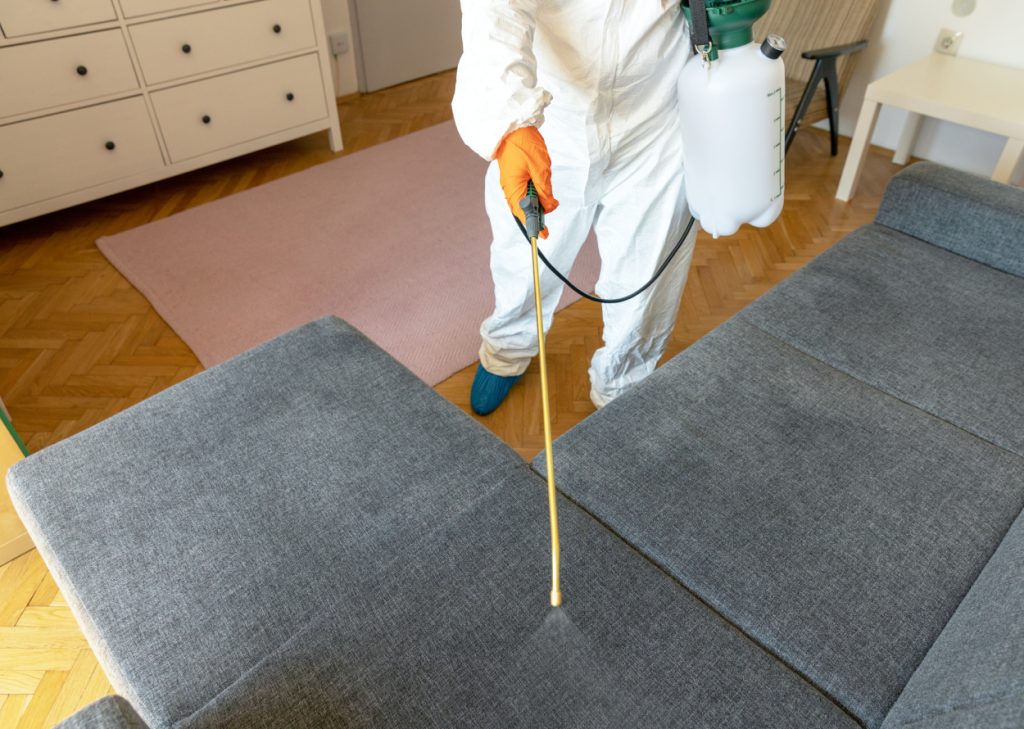

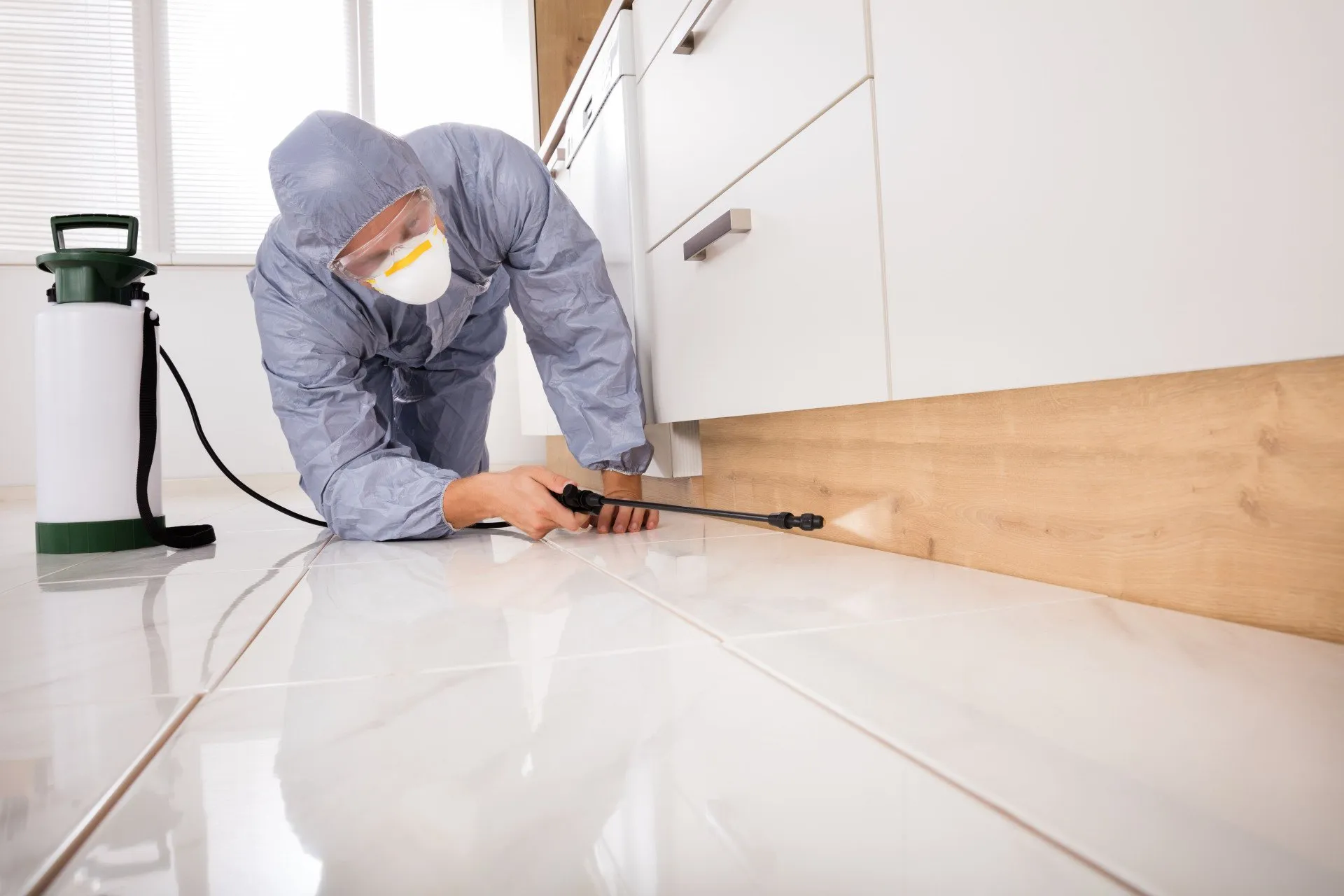
Most people start thinking seriously about pest control at the moment a problem becomes impossible to ignore. It might be ants streaming across a kitchen counter, a scratching sound in the attic after midnight, or a wasp nest tucked under the eaves where children play. At that point, the immediate question usually sounds simple: should you book a one-time treatment, or do you need ongoing pest control services?
The answer depends on more than the type of pest. It depends on how the property is built, how pests behave in your region, what conditions around the home keep attracting them, and how much risk you are willing to tolerate between visits. A one-time service can be exactly the right choice in some situations. In others, it solves the visible symptom while the underlying pressure remains unchanged. That is where recurring service tends to earn its value.
Homeowners often assume the difference is just frequency and cost. In practice, the difference is also strategic. One approach is reactive. The other is preventive. Both can work. The challenge is matching the service to the pest pressure rather than buying too much protection or too little.
What a one-time pest control service usually includes
A one-time service is designed to address a specific, current issue. You have a problem, the company inspects it, treats the affected area, and may recommend a follow-up only if the pest persists. This type of visit is common for isolated issues such as a newly discovered paper wasp nest, a trail of odorous house ants in the pantry, or a sudden influx of fleas after a pet brought them indoors.
In a well-run one-time appointment, the technician does not simply spray and leave. The better companies inspect entry points, identify the pest accurately, look for conducive conditions, and explain what treatment can and cannot do. That matters because a one-time treatment for one pest can be highly effective, while a one-time treatment for another may only reduce activity temporarily.
Take wasps as an example. If the issue is a single exposed nest under a deck rail, one targeted treatment and nest removal can solve the problem completely. There is a clear source, a defined target, and a treatment window that lines up well with the pest’s behavior.
Now compare that with German cockroaches in an apartment kitchen. A single visit may knock the population back, but if there are hidden harborage zones behind appliances, moisture issues under the sink, and food debris in inaccessible cracks, one treatment rarely finishes the job. In that case, “one-time” often turns into “one of several.”
The appeal of one-time service is obvious. It is straightforward, lower in immediate cost, and easy to justify when the infestation looks limited. For a homeowner who has gone years without pest problems, that can be a sensible starting point.
What ongoing pest control services are built to do
Ongoing pest control services are structured around prevention, monitoring, and early intervention. Instead of waiting for pests to become obvious, the technician visits on a regular schedule, often monthly, bimonthly, or quarterly depending on the climate, property type, and pest pressure. Each visit may include exterior treatments, interior spot treatments if needed, inspection of vulnerable areas, web and nest removal, and recommendations for sanitation or exclusion.
The biggest difference is that recurring service assumes pests are not a one-time event. It treats pest activity as a pressure that rises and falls with weather, seasons, landscaping, neighboring properties, and structural conditions. The goal is not merely to kill what you see today. The goal is to reduce the chance that an issue takes hold at all.
This approach is especially common in regions where pest activity is consistent for much of the year. Warm, humid climates tend to support ants, roaches, spiders, mosquitoes, and occasional invaders almost continuously. In colder areas, the seasonal pattern shifts, but recurring service still matters because pests move indoors when temperatures drop, and spring often brings a fresh wave of activity.
A recurring plan also creates a service history. That may sound administrative, but it is useful in practice. When the same company has seen your property through multiple seasons, patterns become clearer. They know that carpenter ants appear near the back sill every wet spring, that mice start probing the garage in late October, or that yellow jackets build in the same corner of the yard every August. Prevention gets sharper when it is informed by memory rather than guesswork.
The key difference: response versus management
The simplest way to separate these two service models is this: one-time service responds to an event, while ongoing service manages risk over time.
That distinction matters because many pests do not operate as isolated incidents. They exploit recurring opportunities. Tiny gaps under doors stay open year-round. Overgrown shrubs keep touching siding. Irrigation keeps soil damp against the foundation. Pet food bowls stay out overnight. A crawl space vent screen tears and no one notices. These are not dramatic failures, but together they create stable conditions for pest activity.
In homes with those conditions, a one-time treatment can feel effective right away and disappointing a few weeks later. The chemistry may have done its job. The environment simply kept inviting reinfestation.
On the other hand, not every pest issue deserves a long-term contract. If a homeowner discovers one mud dauber nest on a porch beam, pays for removal, and has no history of recurring stinging insect problems, a single service can be entirely appropriate. Good pest management is not about maximizing visits. It is about matching the level of intervention to the level of pressure.
When one-time service is usually enough
There are situations where a one-time service is practical, cost-effective, and professionally defensible. A single, visible nest is one. A small cluster of ants tied to a temporary food spill can be another. The same goes for an isolated rodent caught soon after it enters, provided the entry point is found and sealed.
In the field, one of the clearest signs that one-time service may work is a defined source with limited spread. If the issue can be traced to a recent event, a specific entry point, or a contained location, treatment has a better chance of lasting. For example, after a heavy storm, earwigs and millipedes sometimes push indoors in unusual numbers. If weather is the main trigger and the population has not established itself inside, a focused treatment plus moisture control can be enough.
Another factor is tolerance. Some homeowners are comfortable addressing the occasional pest sighting as it happens. They do not mind calling once or twice a year if needed. Others want a house that is proactively defended, especially if they have children, pets, frequent guests, or a strong aversion to insects. Neither position is unreasonable. It is partly a lifestyle decision.
A one-time service is often suitable when the property has most of the basics under control: tight door sweeps, decent sanitation, no chronic moisture problems, trimmed vegetation, and no long record of repeat infestations. In that environment, a targeted correction may hold.
When ongoing service tends to make more sense
Recurring service becomes more valuable as pest pressure becomes more predictable. A home surrounded by mature trees, dense mulch beds, and irrigation zones generally sees more insect movement than a dry lot with sparse landscaping. A restaurant dumpster behind a neighboring building can increase rodent pressure even if your own property is clean. Multifamily housing complicates things further because pests do not respect lease lines. What one resident ignores can become everyone’s problem.
Certain pests also favor ongoing management because of how they reproduce, hide, or re-enter structures. Roaches, rodents, termites, and many ant species fit this category. Mosquito programs are another example. A one-time mosquito treatment before a backyard event can provide short-term relief, but ongoing service through the warm season is what reduces regular pressure. The same logic applies to perimeter pest programs for homes where spiders, occasional invaders, and crawling insects are a seasonal certainty.
I have also seen recurring service pay off in houses that are technically clean and well maintained, but simply hard to defend because of design. Complex rooflines, abundant crawl space access points, stone veneer with many gaps, or older foundations with settling cracks all create opportunity. On those homes, the pest control plan functions less like a fix and more like maintenance, similar in spirit to HVAC servicing or gutter cleaning. You are not responding to a failure each time. You are reducing the odds of one.
Cost is part of the decision, but not the whole decision
People naturally compare price first. A one-time visit costs less upfront. Ongoing service costs more over the year. That much is obvious. What is less obvious is the total cost of a reactive approach when issues repeat.
If you pay for three or four one-time visits across a year for ants in spring, wasps in summer, mice in fall, and spiders whenever they build up around entryways, you may spend close to what a recurring plan would have cost, sometimes more. You also spend more time waiting for appointments, living with activity until service arrives, and resetting the same problem from scratch each season.
Still, recurring plans are not automatically the better financial choice. If your property has very light pest pressure and your only issue in two years is one hornet nest in a shrub, a long-term plan may not deliver much value. The important comparison is not one invoice versus another. It is the likely annual pattern of pest problems on your specific property.
A useful question to ask is this: are https://elliottiezd387.capitaljays.com/posts/smart-reasons-to-book-preventive-pest-control-services-today you paying to remove a rare event, or are you paying repeatedly to manage a recurring condition without calling it one?
The pests themselves often decide for you
Not all pests deserve the same service model. Their biology matters. So does their location in the structure.
Here is where broad rules help, though there are exceptions:
- One-time service often fits isolated wasp nests, temporary ant trails, occasional invaders after weather events, and single-entry rodent incidents caught early.
- Ongoing service more often fits roaches, recurring ant species, exterior perimeter invaders, seasonal mosquito pressure, and properties with chronic rodent pressure.
- Specialized programs, rather than standard one-time or recurring general pest plans, are usually better for termites, bed bugs, and wildlife issues.
- Homes with past infestations usually benefit from monitoring even after the immediate issue appears resolved.
- Commercial properties almost always lean toward recurring service because tolerance for pests is much lower and the risks are higher.
That last point is worth emphasizing. In commercial settings, especially food service, healthcare, hospitality, and property management, pest control is rarely treated as a one-off issue. The consequences of activity are too expensive, whether the cost shows up in reputation, compliance problems, product loss, or tenant complaints.
Why prevention is often less visible, and more valuable
One reason people underestimate ongoing pest control services is that prevention is quiet. When a one-time treatment kills a visible nest, the result feels dramatic. When recurring service prevents a nest from taking hold in the first place, there is no obvious before-and-after moment to admire.
That invisibility can make preventive service seem abstract until you have lived through a true infestation. Once someone has had mice inside a wall, fleas move through carpeting, or roaches spread from one unit to another, their view usually changes. They stop asking only, “What does this visit kill today?” and start asking, “What conditions are we keeping under control all year?”
The same principle shows up in older homes. Many older houses are charming but porous. They breathe, shift, and settle. You can seal and improve them substantially, but there is often a baseline level of vulnerability that never reaches zero. On those properties, recurring service acts as a buffer against the structure’s quirks.
Service quality matters more than service frequency
A poor recurring plan can underperform just as easily as a poor one-time visit. Frequency does not compensate for weak inspection, rushed treatment, or careless identification. If a technician mistakes carpenter ants for odorous house ants, or ignores a moisture issue that is driving silverfish activity, the service model is almost beside the point.
What separates good providers is not just how often they visit. It is whether they inspect carefully, explain clearly, and adapt treatment to what they find. The technician should be able to say why a one-time service is likely to hold, or why it probably will not. They should also discuss what part of the solution belongs to the homeowner, such as trimming vegetation, storing firewood away from the house, correcting leaks, or improving food storage.
A recurring plan is most effective when it is not treated like a route stop where the same product goes down on every property regardless of conditions. The best programs evolve. If rodent pressure rises in the neighborhood, baiting and exclusion attention increase. If a wet spring drives ant activity, perimeter work shifts accordingly. If a customer has pets and small children, treatment methods and placement should reflect that reality.
Questions worth asking before you choose
Before deciding between one-time and ongoing service, it helps to ask a few direct questions about the property and the pest issue. How long has the problem been happening? Has it occurred in the same season before? Is the pest nesting inside, or just wandering in from outdoors? Are there environmental conditions that keep inviting reinfestation? If treatment works today, what will stop the next wave a month from now?
You should also ask the provider what they expect from the service. If they recommend one-time treatment, ask how often they see that work as a permanent fix for your pest and property type. If they recommend recurring service, ask what signs tell them the problem is likely to repeat. A solid answer usually includes specifics about species behavior, entry points, local climate, and structural risk, not vague pressure tactics.
The contract terms matter too. Some recurring plans include unlimited callbacks between scheduled visits. Others do not. Some cover only general household pests, while others exclude rodents, mosquitoes, termites, or stinging insects. It is better to sort that out before service begins than during a flare-up.
The homeowner’s role never disappears
Whether you choose one-time or ongoing pest control services, treatment is only part of the equation. Pest pressure rises where food, water, shelter, and access line up. Even the best technician cannot fully compensate for a crawl space that stays wet, a garage door that does not seal, or a kitchen where dry goods sit open.
That does not mean the burden falls entirely on the homeowner. It means the strongest results come from combining professional treatment with environmental correction. Sometimes the improvement is simple. Replacing a torn screen, storing birdseed in sealed containers, and cutting back ivy from the siding can noticeably reduce activity. Other times, it requires more investment, such as drainage work or exclusion repairs around the foundation and roofline.
This is another area where recurring service often proves useful. Repeated visits create accountability on both sides. The technician notices whether recommendations were completed. The homeowner has ongoing feedback on what is improving and what still needs attention. That rhythm is harder to establish with isolated one-off visits.
Choosing the right fit for your property
The real difference between one-time and ongoing pest control is not just how often someone comes to your house. It is how the service defines the problem. If the problem is a contained event, one-time treatment may be exactly right. If the problem is an ongoing pattern of pressure, even when the pests themselves appear in different forms from season to season, recurring service usually delivers stronger results and fewer surprises.
A practical way to think about it is this:
- Choose one-time service when the issue is isolated, clearly defined, and unlikely to return once treated and corrected.
- Choose ongoing service when pest activity is seasonal, repetitive, environmentally driven, or tied to structural vulnerabilities that cannot be fully eliminated.
- Consider specialized programs for termites, bed bugs, wildlife, or severe infestations that fall outside standard general pest work.
- Reassess after service. If you keep needing “just one more” visit, the property may be telling you it needs a preventive plan.
- Value honest guidance over aggressive sales. The best recommendation is the one that fits the actual risk.
For many households, the right choice becomes clear after looking honestly at the past year. If pests show up once and disappear after treatment, one-time service remains a reasonable option. If they keep returning in different disguises, recurring care is not an upsell, it is a shift to a strategy that matches reality.
That is the distinction that matters most. One-time service treats the episode. Ongoing service manages the conditions that make episodes likely. When you understand which of those situations you are dealing with, the decision gets much easier.
Affordable Pest Solutions LLC
Phone number: +19732299547
FAQ About Pest Control Services
How much does pest control charge?
For a standard 1,500-square-foot home, professional pest control charges generally average $100 to $300 for an initial visit, with ongoing monthly services running $40 to $75 per visit and one-time emergency exterminations costing $100 to $600, depending heavily on the specific pest and the severity of the infestation.
What is the hardest pest to get rid of?
Bed bugs are widely considered the hardest household pest to get rid of, closely followed by German cockroaches and subterranean termites.
What is included in a pest control service?
A standard pest control service includes a property inspection, targeted treatments, and prevention advice. It typically covers common pests like ants, spiders, and cockroaches, using sprays, baits, or traps.